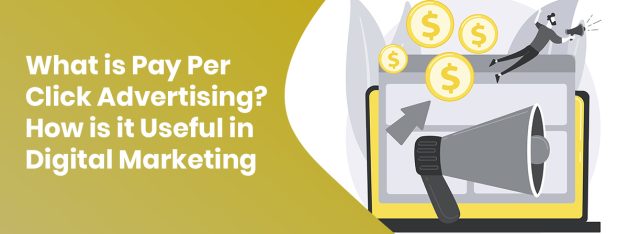
What Is Pay Per Click Advertising? How Is It Useful in Digital Marketing
Most people come across ads online every day without thinking much about how they work. A product shows up when someone searches. A service appears right when a need feels urgent. That timing is rarely accidental. It is the result of pay per click advertising working quietly in the background.
For many brands, especially those competing in crowded categories, PPC in digital marketing has become one of the fastest ways to reach customers who are already looking for something specific. Unlike organic channels that take time to build, paid visibility creates immediate presence. That speed is useful, but it also changes how decisions are made.
This is why PPC still matters. Not as a shortcut, but as a deliberate part of a broader growth approach.
What Is PPC in Digital Marketing?
Definition of Pay Per Click Advertising
At a basic level, pay per click advertising is a model where advertisers pay only when someone clicks on their ad. Instead of paying for impressions, brands pay for attention that turns into action.
In the context of PPC in digital marketing, this approach allows marketers to place ads in front of users who are already searching for related products or services. The intent is high. The competition usually is too.
This model is commonly referred to as paid search advertising because it shows up in search results, often above or alongside organic listings.
How Does Pay Per Click Advertising Work?
PPC is not just about bidding money and hoping for results. There is a system behind every ad placement.
The PPC Auction Process
Each time a user searches for something, an auction happens in milliseconds. Advertisers who want to appear for that query submit bids. The platform then considers factors like relevance, ad quality, and bid amount to decide which ads show.
This means higher spend alone does not guarantee visibility. Relevance and user experience matter. Over time, this balances the field between large advertisers and smaller ones who focus on quality.
Common PPC Platforms
While many platforms offer PPC options, search remains the most intent-driven environment. This is where google ads campaigns dominate. Other platforms also support paid search advertising, but Google remains the primary channel for most categories.
Choosing the right platform often depends on where your audience actively searches, not just where advertising is available.
What Are Google Ads Campaigns and Why Are They Popular?
Google ads campaigns allow brands to appear directly within Google search results. This is powerful because users on search are actively looking for answers, products, or services.
Benefits of Google Ads Campaigns
One major benefit is control. Advertisers can choose keywords, set budgets, and adjust targeting quickly. This makes google ads campaigns flexible for testing new offers, entering new markets, or supporting time-sensitive promotions.
Another benefit is data. Search platforms provide detailed performance insights, which help refine messaging, offers, and landing pages over time.
That said, popularity also brings competition. Costs rise in crowded spaces, and poor setup becomes expensive quickly.
What Is Cost Per Click and How Is It Calculated?
Understanding Cost Per Click (CPC)
Cost per click is the amount an advertiser pays each time someone clicks their ad. The actual cost per click depends on several factors, including competition, keyword intent, and ad quality.
High-intent keywords usually cost more because more advertisers want them. Lower-intent terms cost less but often convert poorly. Finding the balance between volume and quality is part of the challenge.
Understanding cost per click helps marketers forecast budgets realistically and avoid overspending on traffic that does not convert.
What Makes an Effective PPC Marketing Strategy?
A strong PPC marketing strategy is not built around keywords alone. It considers user intent, landing page experience, and the broader customer journey.
Core Elements of a PPC Marketing Strategy
An effective PPC marketing strategy usually includes:
- Clear goals tied to business outcomes
- Careful keyword selection based on intent
- Well-structured google ads campaigns
- Landing pages that match ad promises
- Ongoing optimisation based on performance data
Over time, this approach allows PPC in digital marketing to support both short-term performance and longer-term learning about what messaging actually works.
FAQs
How does pay per click advertising differ from SEO?
Pay per click advertising provides immediate visibility through paid placements, while SEO focuses on earning organic visibility over time. PPC offers speed. SEO offers durability.
Are Google ads campaigns suitable for small businesses?
Yes. Google ads campaigns can work for small businesses when budgets are tightly managed and targeting is focused on high-intent keywords.
What affects cost per click in PPC campaigns?
Cost per click is influenced by competition, keyword intent, ad relevance, and landing page quality. Highly competitive categories tend to have higher CPCs.
Is paid search advertising better than social ads?
It depends on intent. Paid search advertising works best when users are actively searching. Social ads are better for discovery and awareness.
How do I build a successful PPC marketing strategy?
Start with clear goals, focused targeting, strong landing pages, and continuous optimisation. A well-planned PPC marketing strategy evolves based on performance data, not assumptions.
Leave a Comment Cancel reply
About Author

VISHAL A
With 10 years in digital media marketing, Vishal today heads media at BC Web Wise.
Recent Articles
- Understanding Digital Marketing Analytics: A Leader’s Guide to Data-Driven ROI
- Email Marketing Strategies for Higher Conversion Rates: The Ultimate ROI Playbook
- Effective Social Media Marketing Techniques to Scale Brand Growth and Engagement
- How to Improve Online Visibility Through SEO: A Complete Strategy Guide
Recent Comments
- Trisha on Why Blog Commenting is a Powerful Tool for SEO?
- Ravish Shanbhag on BC Web Wise has been Recognized as One of the 25 Most Creative Agencies, Globally
- ricky sinha on BC Web Wise has been Recognized as One of the 25 Most Creative Agencies, Globally
- Manish Puri on All you need to know about Design Thinking, but were afraid to ask!
- Kanchan S Satpathy on All you need to know about Design Thinking, but were afraid to ask!
Recent Articles
- Understanding Digital Marketing Analytics: A Leader’s Guide to Data-Driven ROI
- Email Marketing Strategies for Higher Conversion Rates: The Ultimate ROI Playbook
- Effective Social Media Marketing Techniques to Scale Brand Growth and Engagement
- How to Improve Online Visibility Through SEO: A Complete Strategy Guide
Recent Comments
- Trisha on Why Blog Commenting is a Powerful Tool for SEO?
- Ravish Shanbhag on BC Web Wise has been Recognized as One of the 25 Most Creative Agencies, Globally
- ricky sinha on BC Web Wise has been Recognized as One of the 25 Most Creative Agencies, Globally
- Manish Puri on All you need to know about Design Thinking, but were afraid to ask!
- Kanchan S Satpathy on All you need to know about Design Thinking, but were afraid to ask!